
The Order of Operations for your Renovation
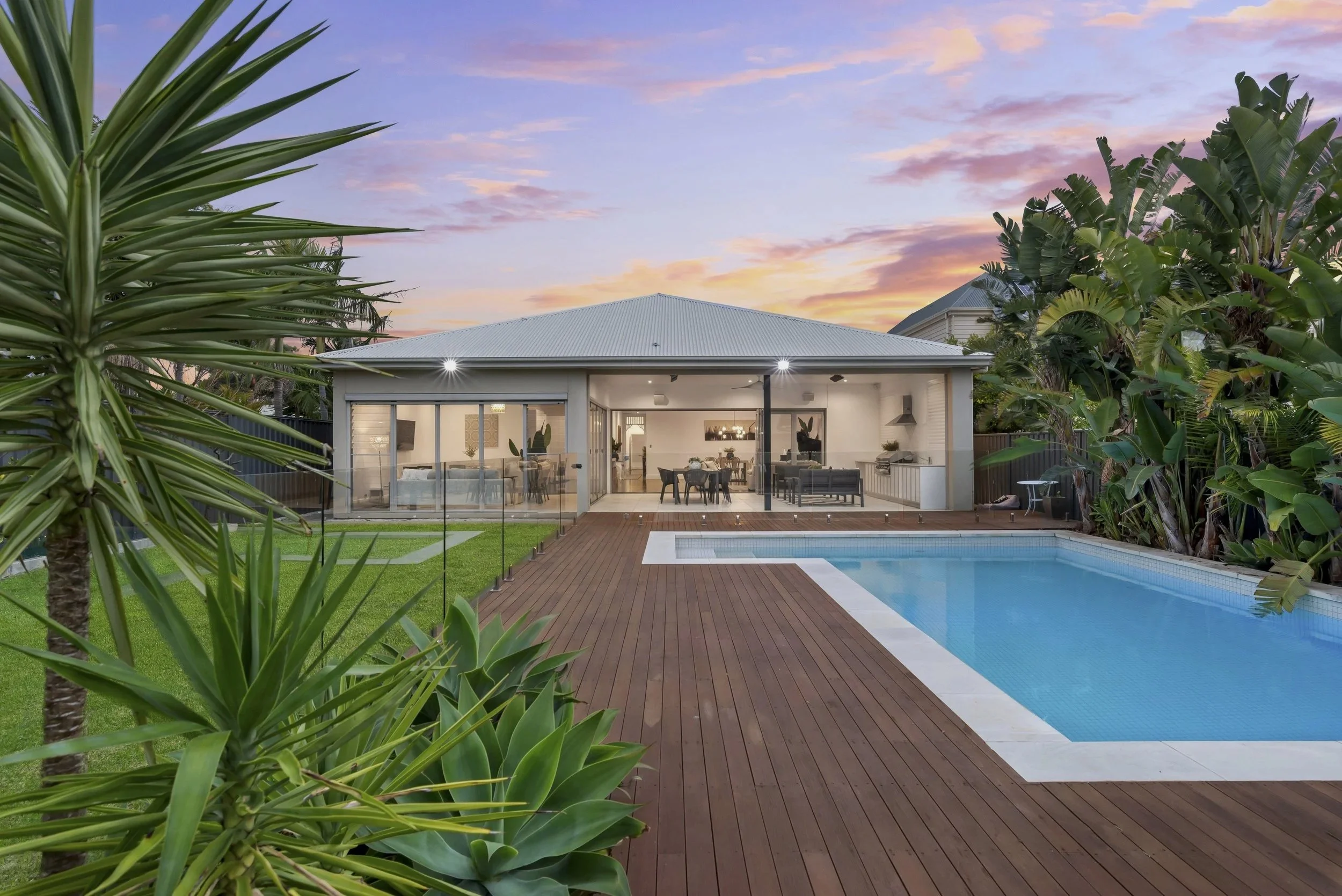
Renovating your home requires thorough planning and coordination. One of the most important factors is knowing the correct order of operations. By following a clear, structured sequence, you can avoid costly mistakes, minimise disruptions, and create a functional, beautiful living space. We have chronologically outlined the essential renovation steps: Strip Out, Structural Work, First Fix, Plaster, Second Fix, and Finishes.
1. Strip Out: Clearing the Way
The first step in your renovation is the strip-out phase. This is where everything that is no longer needed is removed, making space for your new design. Walls, flooring, old fixtures, and outdated fittings are all removed during this stage. It is an essential that your home is cleared of debris, allowing you to assess the condition of underlying structures and systems.
Key tasks in the strip-out phase include:
• Removing old cabinets, countertops, and flooring
• Tearing down walls if necessary
• Disassembling plumbing and electrical fixtures that will be replaced
• Clearing away debris to create a clean slate
The strip-out uncovers any undiscovered issues with your property (like outdated wiring or water damage) before progressing to the more technical phases of the renovation.
2. Structural Work: Laying the Foundation
After the strip-out phase, it is time to address any structural work needed. This involves making changes to the bones of the building to ensure the space is safe, functional, and ready for the new layout or design.
Structural work includes:
• Reinforcing walls, beams, or foundations
• Creating new doorways, windows, or open-plan spaces
• Installing supports for new additions, like extensions or loft conversions
If you need to alter the structure of your home (like knocking down a wall or adding new space), this phase is crucial. It sets the foundation for all the subsequent work and ensures everything is stable and safe.
3. First Fix: Getting the Essentials in Place
Once the structural work is completed, the next phase is the first fix. This focuses on the essential systems that will go behind the walls and ceilings. It includes any work that needs to be done before plastering, such as electrical wiring, plumbing pipes, and HVAC ducts. Essentially, the first fix is all about putting the hidden elements in place that are crucial for the functionality of your home.
Key tasks in the first fix include:
• Running electrical wires and cables
• Installing plumbing pipes and gas lines
• Adding ventilation systems or ducting for heating/cooling
• Ensuring all systems are in place for lighting, outlets, and other essential services
The first fix is the core infrastructure of your home. Without this phase, you would not be able to enjoy modern conveniences like electricity, running water, or proper climate control.
4. Linings: Creating Smooth Surfaces
Once the first fix is completed, it is time to focus on linings. This phase smooths out the walls and ceilings, providing a clean canvas for your final finishes. Linings involves covering the bare surfaces of walls and ceilings with a smooth, durable layer of plaster or render.
What happens during plastering:
• Plastering over brick or block walls
• Installing plaster board linings to walls and ceilings
• Ensuring all surfaces are level, free of imperfections, and ready for decoration
Plastering not only improves the aesthetic quality of your walls and ceilings, but it also helps with insulation and soundproofing, contributing to a more comfortable living space.
5. Second Fix: Installing the Features
Once your homes essential systems are in place and the surfaces are ready, the second fix phase focuses on installing visible features and finishing touches. This is where your home starts to take shape, and you can see the design coming to life. It includes installing all the fittings you will use day-to-day.
Tasks in the second fix include:
• Installing doors, windows, and frames
• Adding electrical outlets, light switches, and light fixtures
• Placing plumbing fixtures like sinks, toilets, and faucets
• Attaching kitchen and bathroom cabinetry
At this stage in your project you will start to see the vision come to life and your home begins to feel more “finished.” The second fix is the last phase of functional installation before moving on to decorative finishes, so it is essential everything is carefully installed and aligned.
6. Finishes: The Final Touches
The last step of the renovation is the finishes phase, where the final decorative touches are made. This is the stage where you transform the house into a home, adding your personal style and flair.
Finishes include:
• Painting walls, ceilings, and trim
• Installing flooring; carpet, hardwood or tiles
• Adding splashback tiles, mirrors, and other design elements
• Installing hardware, such as handles, faucets, and light fixtures
• Landscaping and exterior touches
This final stage allows you to put your personal touch on the space. It is about making the home both functional and aesthetically pleasing, turning it from a construction zone into your ideal living environment.
Renovating a house can be a complex process, but following the correct order of operations—Strip Out, Structural Work, First Fix, Plaster, Second Fix, and Finishes—ensures your project flows smoothly and is completed to the highest standard. Each phase acts as a building block, serving a specific purpose and setting the stage for the next, ultimately resulting in a beautiful, functional home.
At Sfeer, we guide our clients through every stage of their renovation project. From structural planning to final finishes, we are here to help bring your vision to life. Ready to start your next renovation? Contact us today to begin planning your dream home renovation.