
The Art of the Mix: Blending New and Old in Residential Design
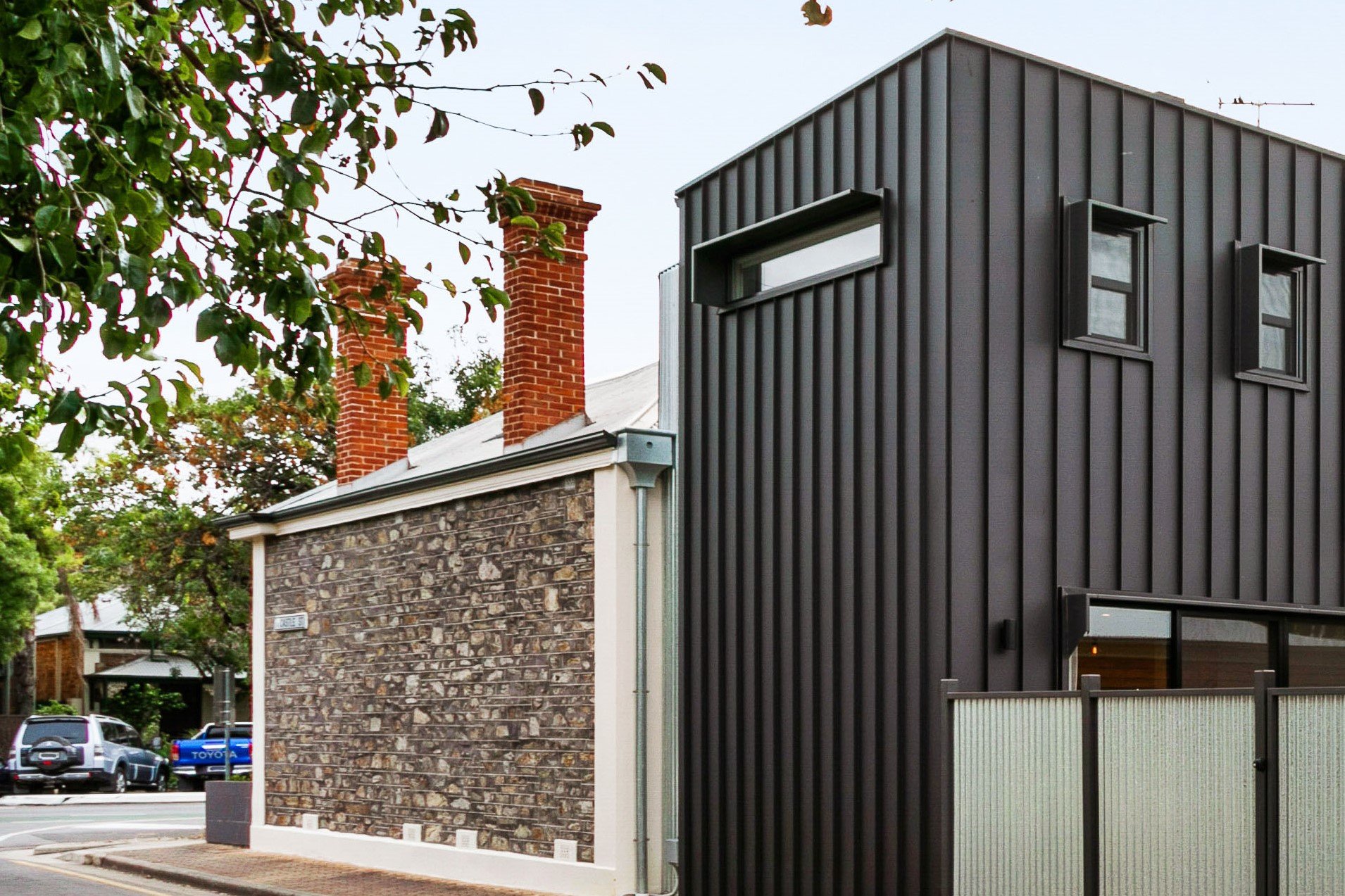
A balanced renovation provides a calm living space. Not just because a home functions better or looks sharper, but because it tells a layered story. In South Australia, where our streets are lined with villas, bungalows, cottages and mid-century gems, renovating is about embracing what is already there.
There is an art to blending old and new. When done thoughtfully, it feels effortless. Done poorly, it can feel confused or clunky. As designers, we see the most successful projects not as exercises in contrast for contrast’s sake, but as careful, deliberate acts of editing, layering and respect to the bones of your home.
Understanding the Bones Before Adding the Layers
Each renovation starts with listening to the site and the people who live there.
Older South Australian homes often have strong bones, generous ceiling heights, solid masonry, deep verandahs and proportions which have stood the test of time. Before introducing anything new, it is important to understand what makes the original building work. What is its rhythm? Where does the light come from? Which spaces feel generous, and which feel constrained?
Good design doesn’t overwrite these qualities. It uses them as a foundation.

Contrast with Purpose, Not Ego
One of the most common misconceptions in renovation design is that “old and new” must be dramatically different. While contrast can be powerful, it also needs to feel intentional.
A crisp contemporary addition behind a traditional frontage can work beautifully, but only when scale, proportion and materiality are carefully considered. The goal isn’t to shout “this is new,” but to create a clear reading of what belongs to which era, without one overpowering the other.
In many South Australian renovations, this might mean:
• Retaining original street-facing rooms with minimal intervention
• Introducing a more open, light-filled living area to the rear
• Using modern forms and detailing that sit quietly alongside existing masonry
When contrast is purposeful, the old feels celebrated rather than threatened.
Materials as the Common Language
Materials are often the bridge between eras.
Reusing or referencing existing materials such as stone, brick, timber can help tie new spaces back to the original home without resorting to pastiche. At the same time, introducing contemporary materials like steel, concrete or large-format glazing can bring clarity and lightness to spaces that once felt closed in.
In renovations we often ask:
• Can the existing brick inform the tone or texture of the new addition?
• Can timber appear in both old and new, but be detailed differently?
• Can junctions be expressed honestly, rather than hidden?
When materials are handled thoughtfully, the transition between old and new feels natural, even when the forms are clearly distinct.
Planning for Modern Living—Without Erasing Character
Many older homes were designed for a very different way of living. Small, cellular rooms and formal layouts don’t always suit contemporary family life, but character doesn’t need to be sacrificed for functionality.
One of the most effective renovation strategies is selective removal/opening up only where it counts, and retaining intimacy where it adds value. This might mean keeping original bedrooms and hallways intact, while reworking the rear of the home to create generous kitchen, dining and living spaces connected to the garden.
In South Australia’s climate, this indoor-outdoor relationship is especially important. New additions can be oriented to northern light, shaded appropriately, and designed to improve thermal performance, transforming older houses into liveable spaces with flow and longevity.
Letting the House Show Its Age (Gracefully)
Not every mark needs to be erased. There is beauty and personality in subtle imperfections: worn timber floors, slightly uneven walls, original fireplaces that no longer function but still anchor a room. These elements add depth and authenticity, reminding us that a home has lived a life before this renovation.
Blending old and new doesn’t mean making everything pristine. It means deciding what to restore, what to refine, and what to leave alone.
The Result: Homes That Feel Both Familiar and Fresh
When old and new are blended well, the result is a home that feels timeless rather than trendy. One where you can sense the history, but live comfortably in the present. One that feels unmistakably yours, and unmistakably of its place.
Old/New Renovation, when done with care, can be one of the most rewarding forms of architecture.
If you would like to discuss an addition to your current old home, reach out to the team at Sfeer to discuss an initial consultation.